A rooftop education.
Where Step Deeper comes from, which is not a listening room but a tower block in east London with a transmitter on the roof. By Luke Creek.

Step Deeper is a Hi-Fi company, and the obvious story of how it started would run through a workbench, a soldering iron and a family that has been in audio for three generations. All of that is true. But the real origin is a rooftop, and I learned more about what music does to people up there than anywhere since.
Finding a tribe.
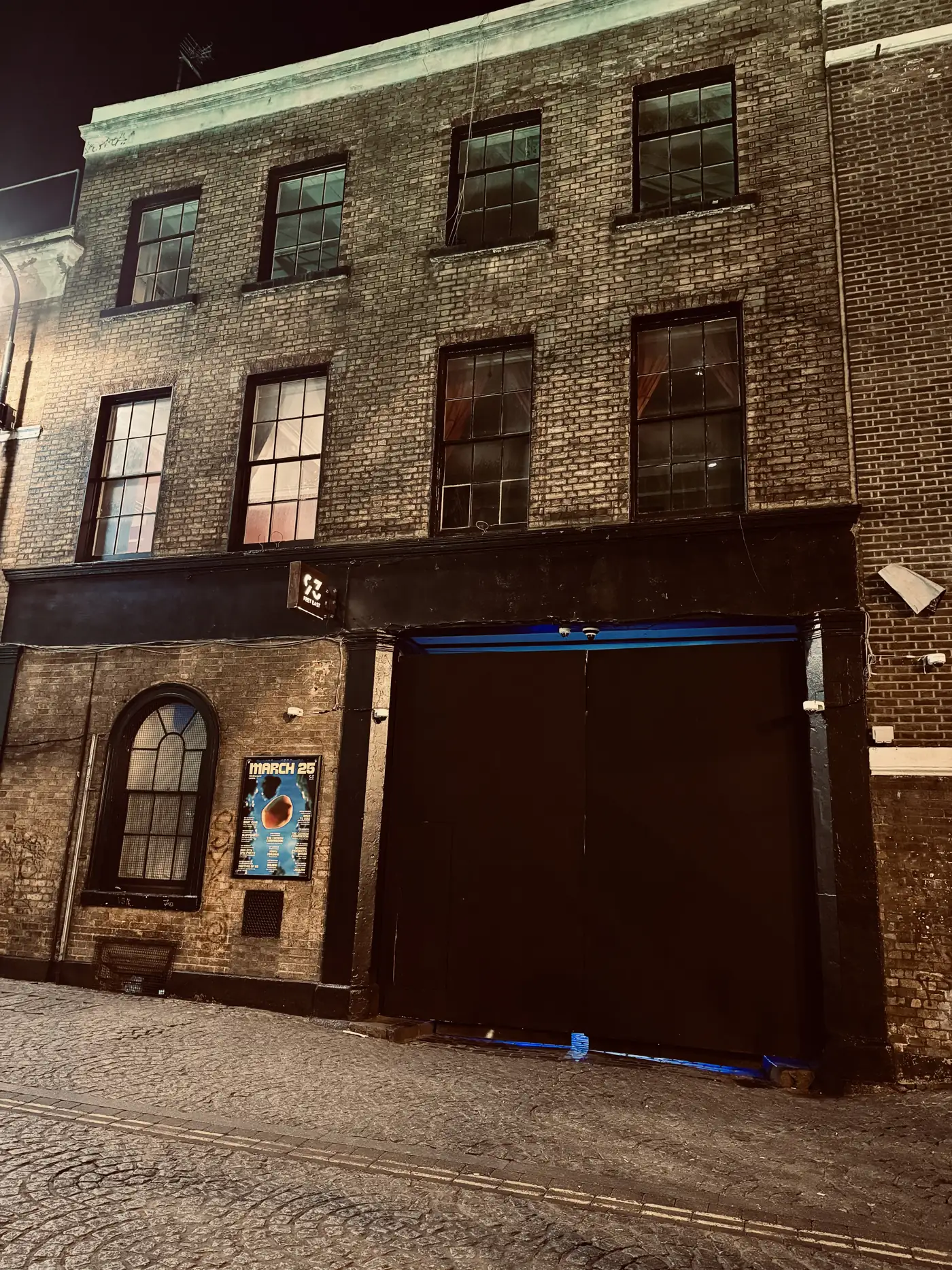
I grew up inside Creek Audio, so the path was laid out: learn the trade, join the business. At fifteen it bent. I was moved out of secondary school a year early and into an engineering and electronics course, and the first thing I discovered was that half the people on it had no interest in becoming engineers. They wanted to put music on the air. This was London in the halcyon days of jungle and drum and bass, with house and garage coming up behind, and the way you reached people was pirate radio.
They needed someone who could build the thing, and I needed a tribe. I had been struggling to find one; dyslexia had arrived at eleven like a door slamming, and school was never the same afterwards. So I became the engineer. I put up the aerials and the rigs, I set up the studios, and we ran a station and promoted club nights across the city, pushing flyers under windscreen wipers at two in the morning. We were on the regional news once, as a public danger. The only people we ever endangered were ourselves.
The only measure that counts.
My job on the station was sound. I wanted ours to be better than anyone else’s, and I had one way of knowing whether it was, which had nothing to do with a meter. I watched people. In the studio you could see what the music did to the DJs and the MCs, and in the clubs you could see it move through a whole room. When the sound was right the energy was palpable. When it was wrong, something went flat, however good the records were. That was the test, and thirty years on I have never found a better one.
It is also the test that most of the industry forgot. We measure, and we should, but a system that measures perfectly and leaves a room cold has failed, and a room does not lie.
Why Step Deeper exists.
I went on to do the sensible things. I ran a loudspeaker company, led product at a large audio group, spent time in motorcycles, and did other work entirely. Every one of them taught me something, and none of them quietened the call to music. So I started a company in my lunch hours, with one question at the centre of it: what would audio equipment be if you designed it to do to a person at home what a good sound system does to a crowd?
That company became Step Deeper. The name is literal. The ambition is to take people a step deeper into the music they already love, far enough in that it does to them what it did to a dance floor in east London, when I was not old enough to vote and could already see it working from the top of a tower block.